AI Search
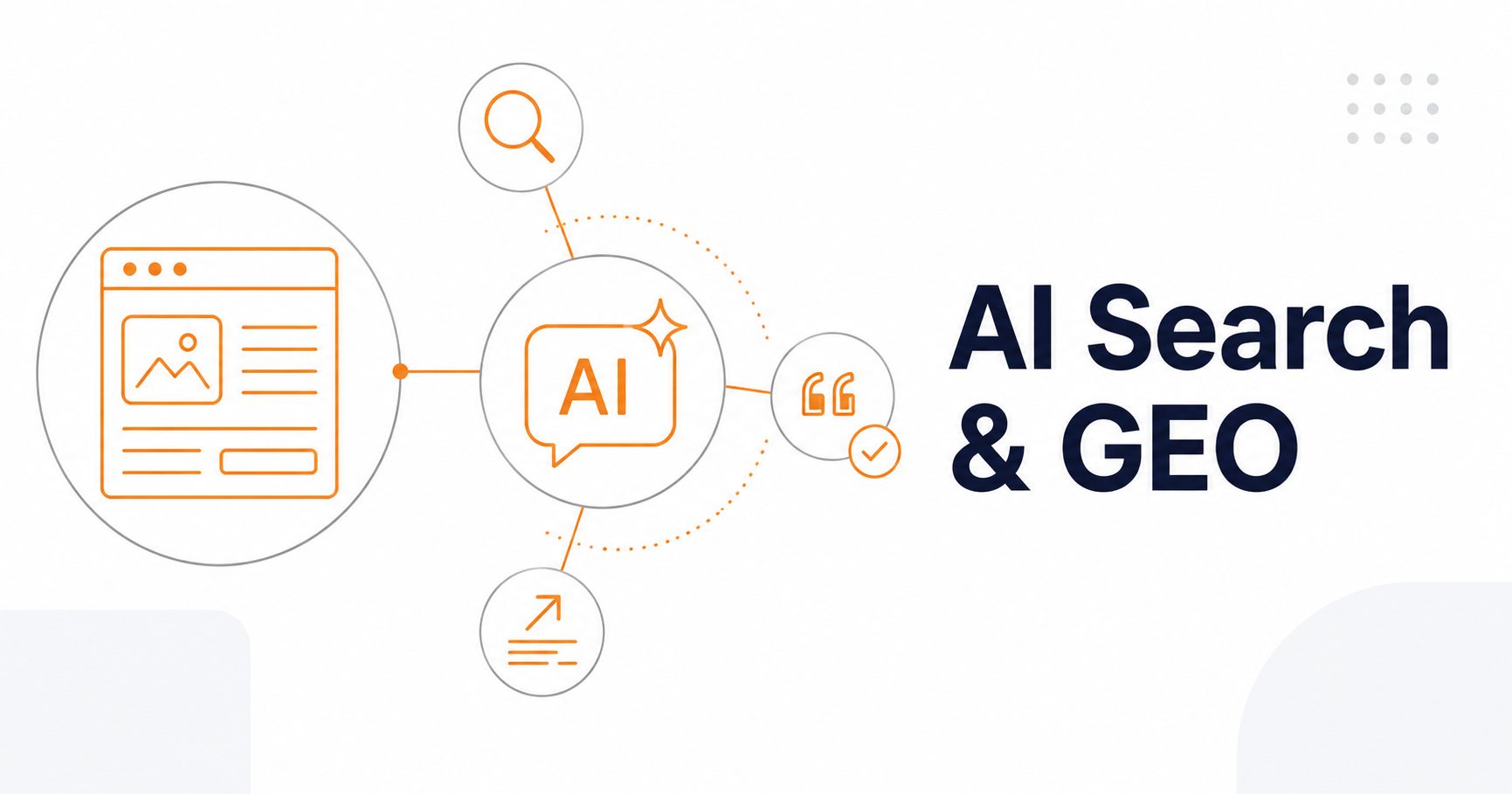
Rank in AI Search and Google AI Overviews
Search is moving from blue links to AI-generated answers. This practical 2026 GEO guide shows you exactly how to get cited in Google AI Overviews, ChatGPT, Perplexity, and Gemini—with free tools for every step.
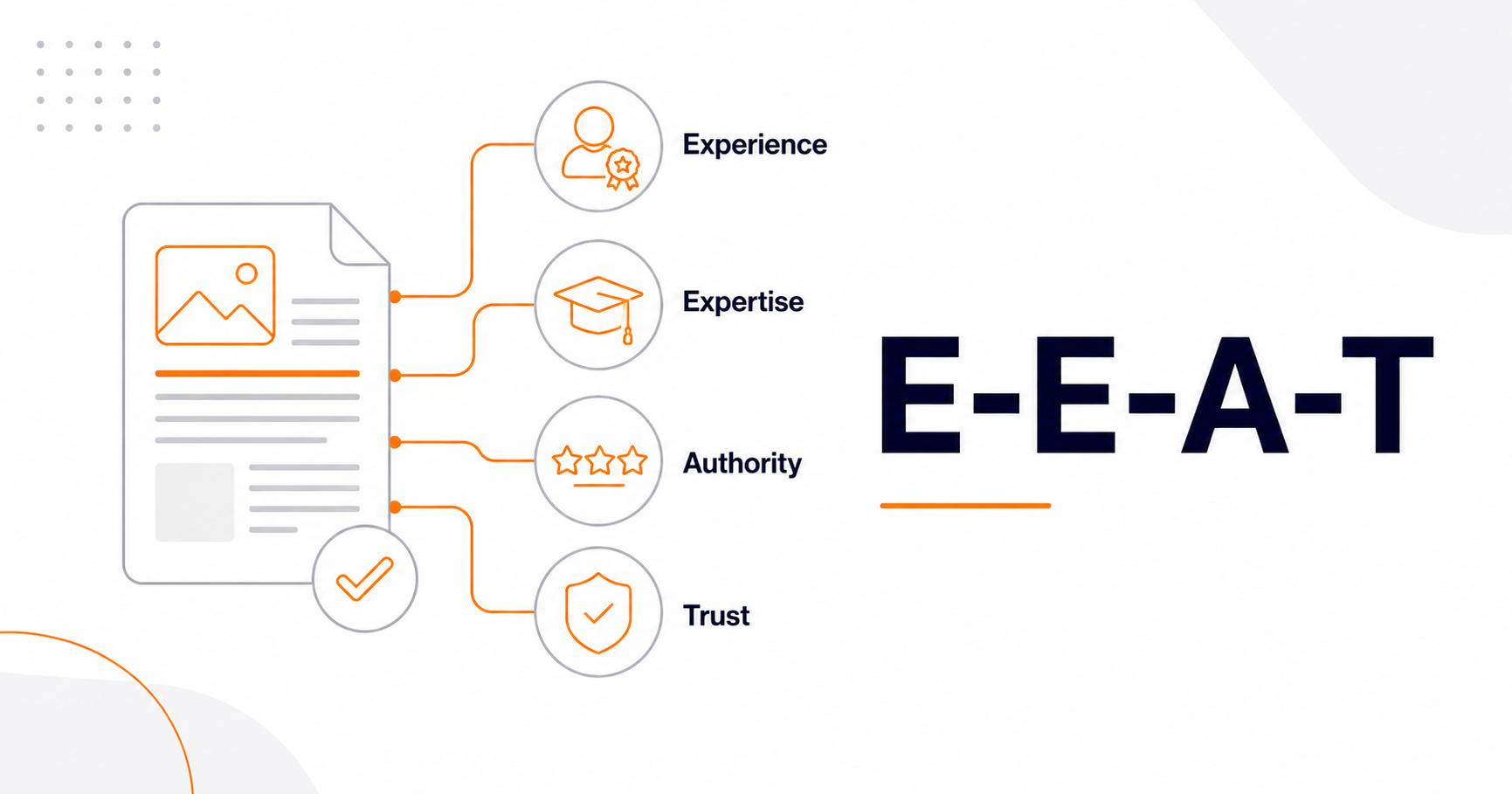
E-E-A-T in 2026: How to Build the Authority Google & AI Actually Reward
E-E-A-T—Experience, Expertise, Authoritativeness, and Trustworthiness—is how Google and AI engines decide what to rank and cite in 2026. Here's what each pillar means and a practical plan to prove all four (including the one author tweak that lifts AI citations most).
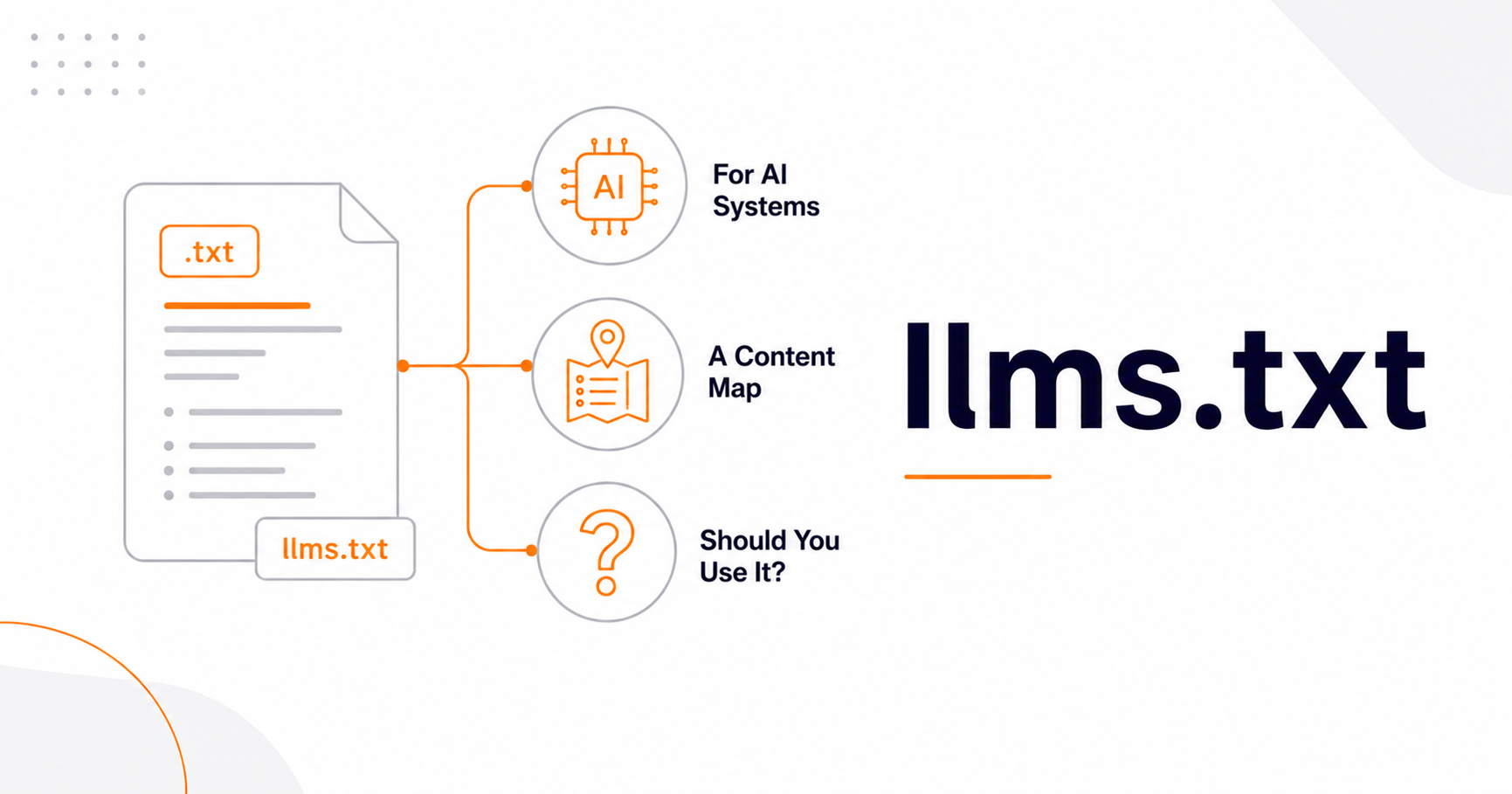
llms.txt Explained: Should You Add It in 2026?
llms.txt promises to make your site more visible to AI—but does it work? The honest 2026 picture: Google says no, no major AI provider has committed, adoption is ~10%, and the data shows little impact. Here's what it actually is, who really benefits, and what to do instead.
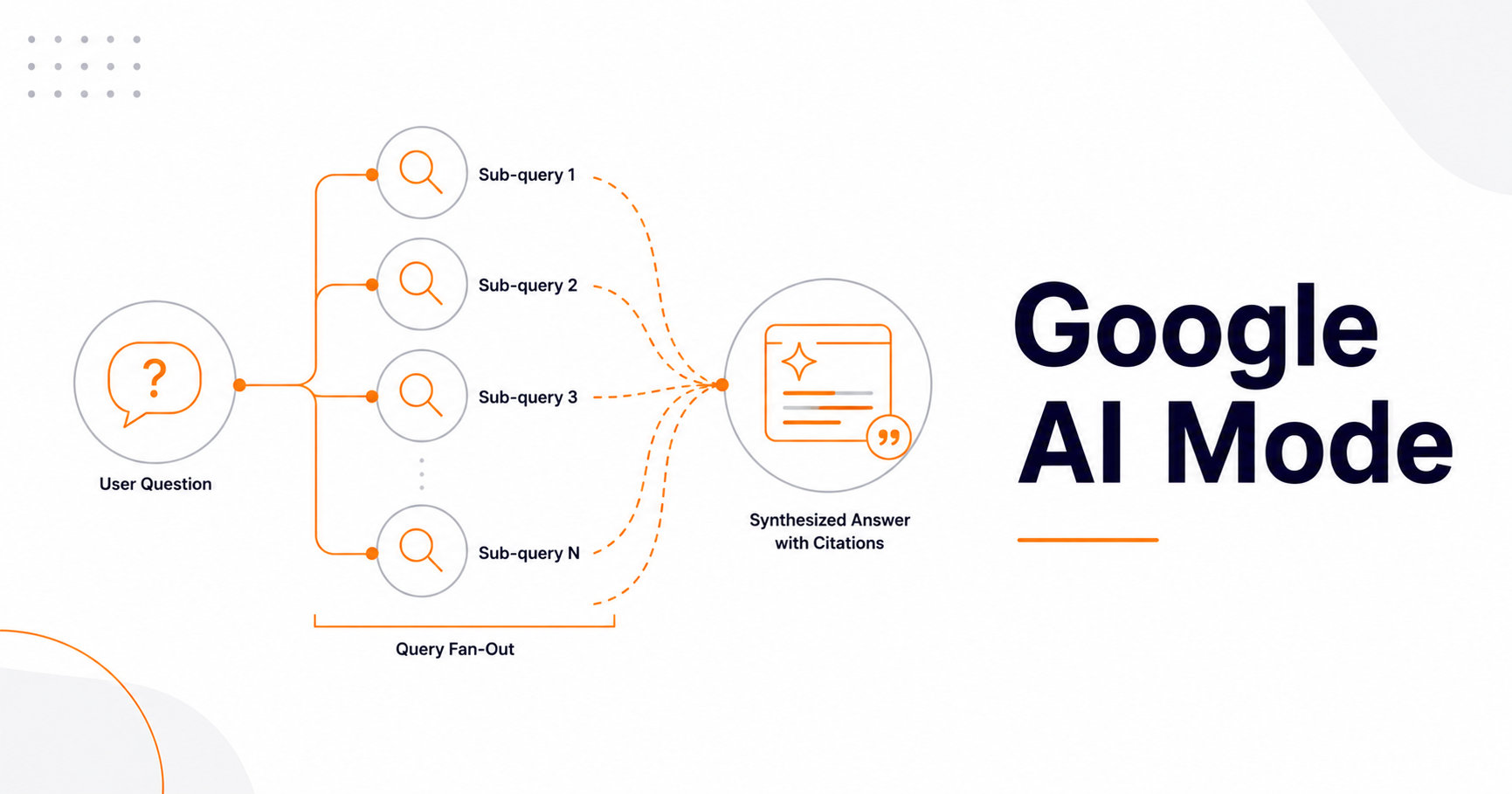
Google AI Mode Explained: How to Optimize for It in 2026
Google AI Mode just crossed a billion users—and it has no blue links, so you're either cited or invisible. Here's how it actually works (RAG grounding + query fan-out), why most citations come from outside the top 10, and exactly how to optimize for it in 2026.
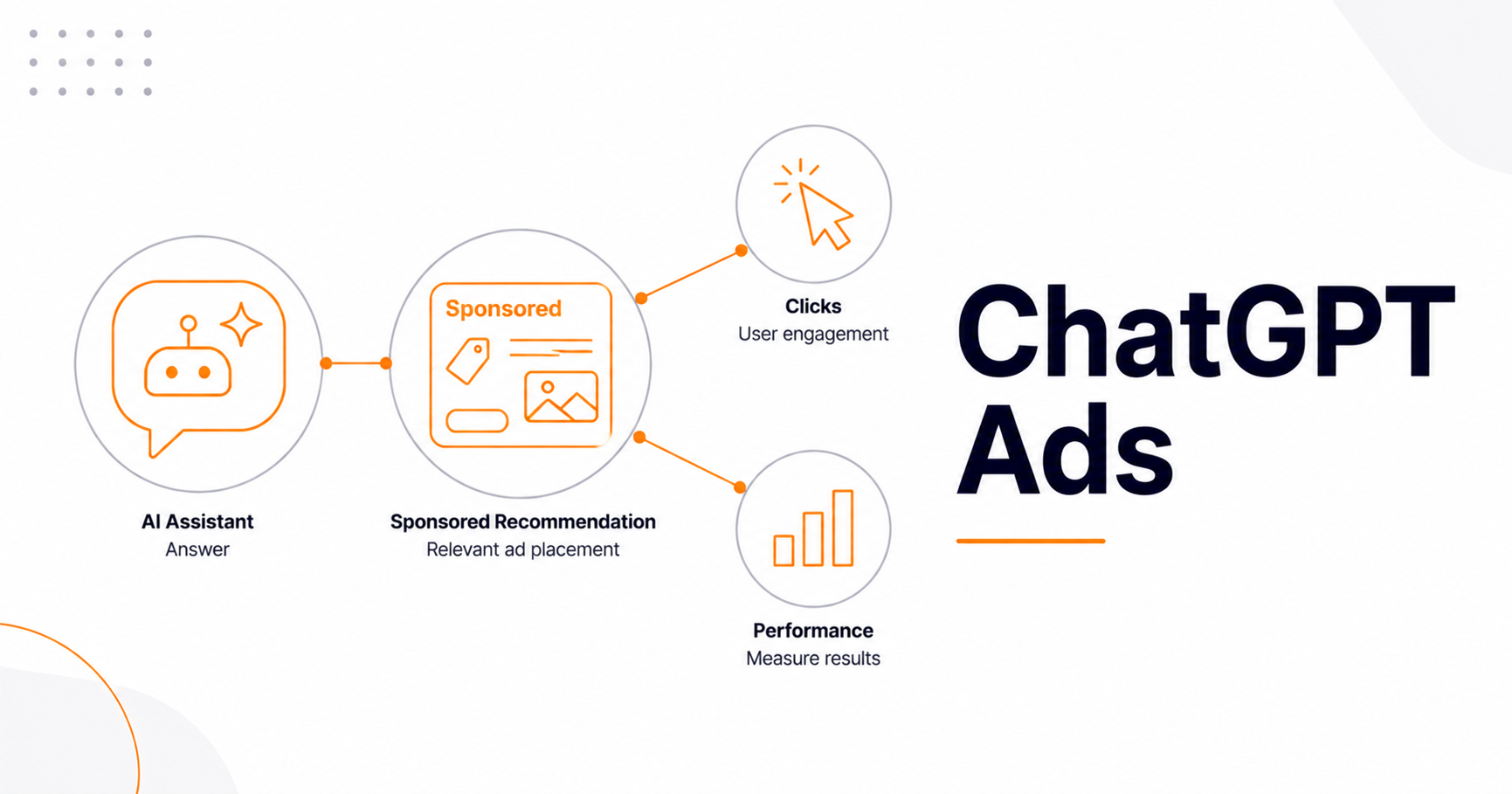
ChatGPT Ads 2026: Cost, Targeting, First Test
ChatGPT ads went from US-only pilot to a global channel with a $1 billion run rate in seven months. What the format allows, how conversation targeting differs from keywords, what a first test should cost and prove, what European advertisers need to know, and why a sponsored card still cannot buy you the organic citation.
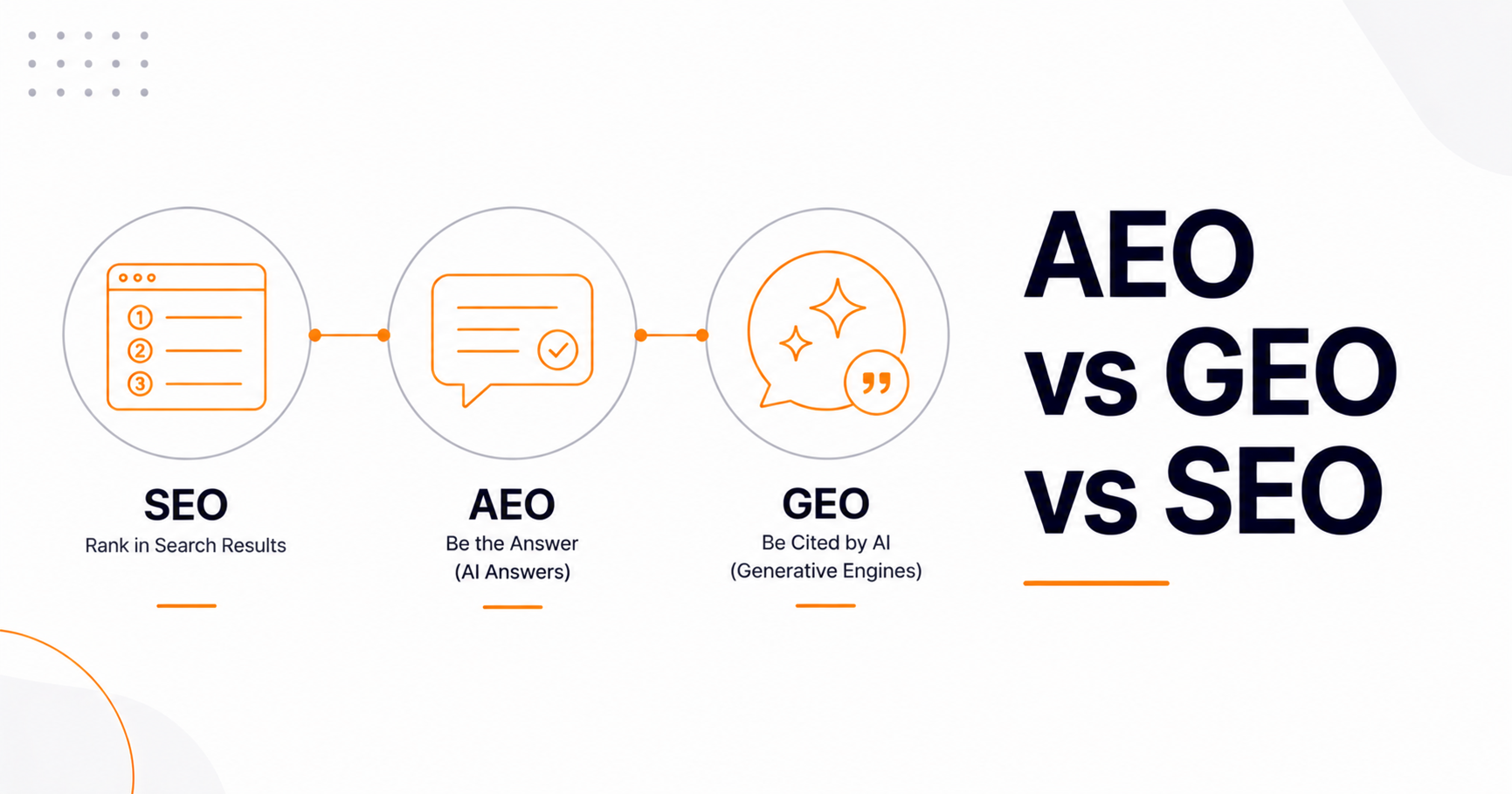
AEO vs GEO vs SEO: What's the Difference (and Do You Need All Three)?
SEO, AEO, GEO—three acronyms, one goal: getting found. SEO ranks you, AEO makes you the direct answer, GEO gets you cited by AI. Here's the honest difference between them, why the lines are blurry, and how to use all three together in 2026.