Nasseo Tools Blog:
Everything You Need to Build, Optimize, and Grow
Welcome to the Nasseo Tools blog universe — a place where we share clear insights, practical tutorials, and proven strategies to help you get more done online. Our goal is to be your daily partner, not just a toolkit, which is why we publish step-by-step guides, smart workflows, and the latest updates in SEO, content, and web productivity — all in one place.
Kg to Lbs: Formula, Chart and Quick Tricks
Multiply kilograms by 2.20462 and you have pounds. This guide gives you the exact formula, full charts in kg, lb and stone, and the mental shortcuts that survive a real check-in desk. It also covers what most conversion pages skip: gym plates, recipe weights, medical dosing and the German Pfund.
Ideal Word Count: How Long Should Blog Posts, Essays & Meta Tags Be?
A practical, no-fluff guide to ideal word counts for blog posts, essays, meta descriptions, title tags, and social posts—with the character limits that actually matter and a free tool to check as you write.

AEO vs GEO vs SEO: What's the Difference (and Do You Need All Three)?
SEO, AEO, GEO—three acronyms, one goal: getting found. SEO ranks you, AEO makes you the direct answer, GEO gets you cited by AI. Here's the honest difference between them, why the lines are blurry, and how to use all three together in 2026.

ChatGPT Ads 2026: Cost, Targeting, First Test
ChatGPT ads went from US-only pilot to a global channel with a $1 billion run rate in seven months. What the format allows, how conversation targeting differs from keywords, what a first test should cost and prove, what European advertisers need to know, and why a sponsored card still cannot buy you the organic citation.
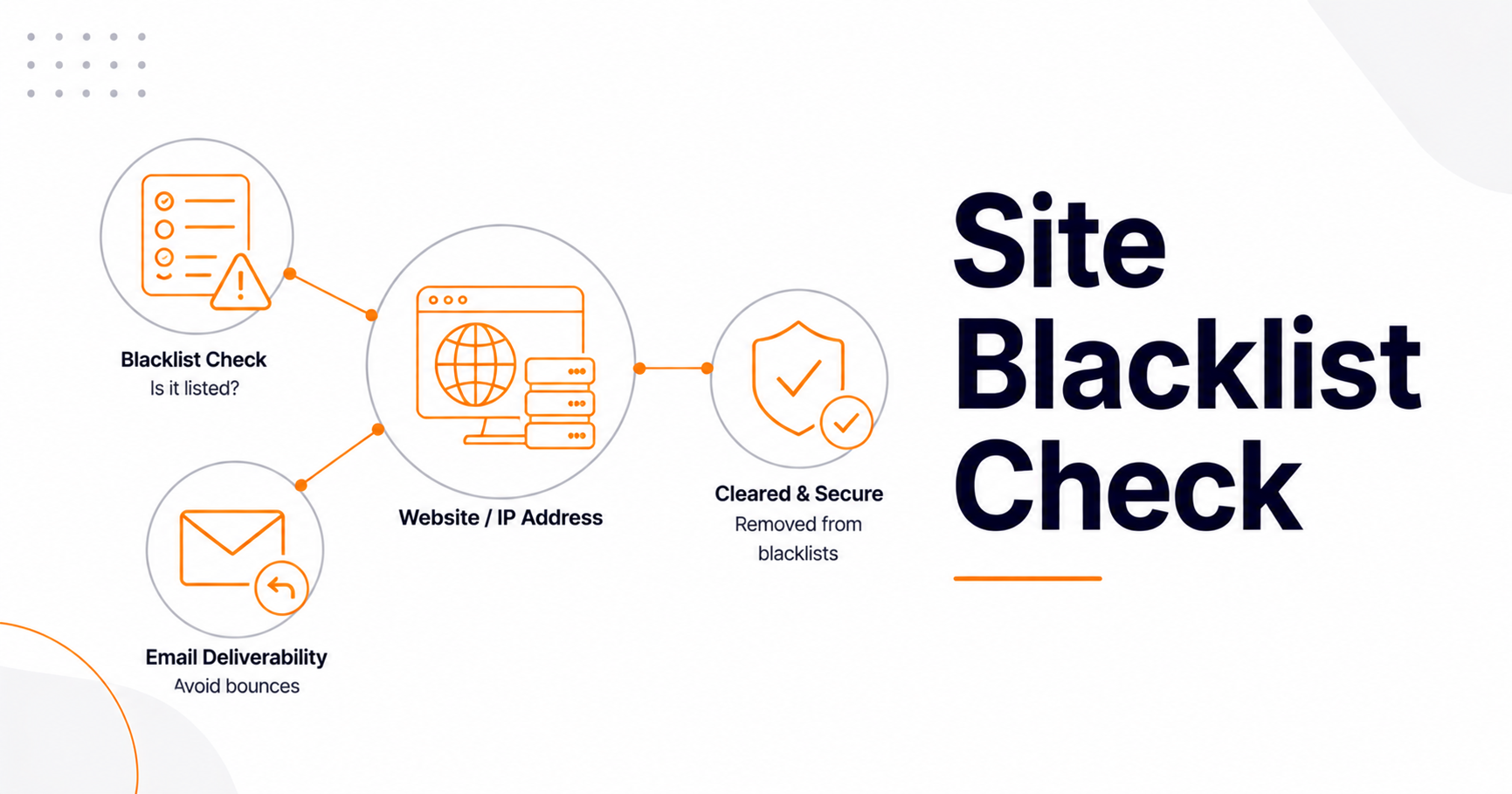
Is My Site Blacklisted? How to Check and Fix It
Emails bouncing or a "dangerous site" warning? Your IP or domain may be blacklisted. Here are the two kinds of blacklists, how to check which one you're on, why it happens, how to get delisted, and how to stay off them for good.
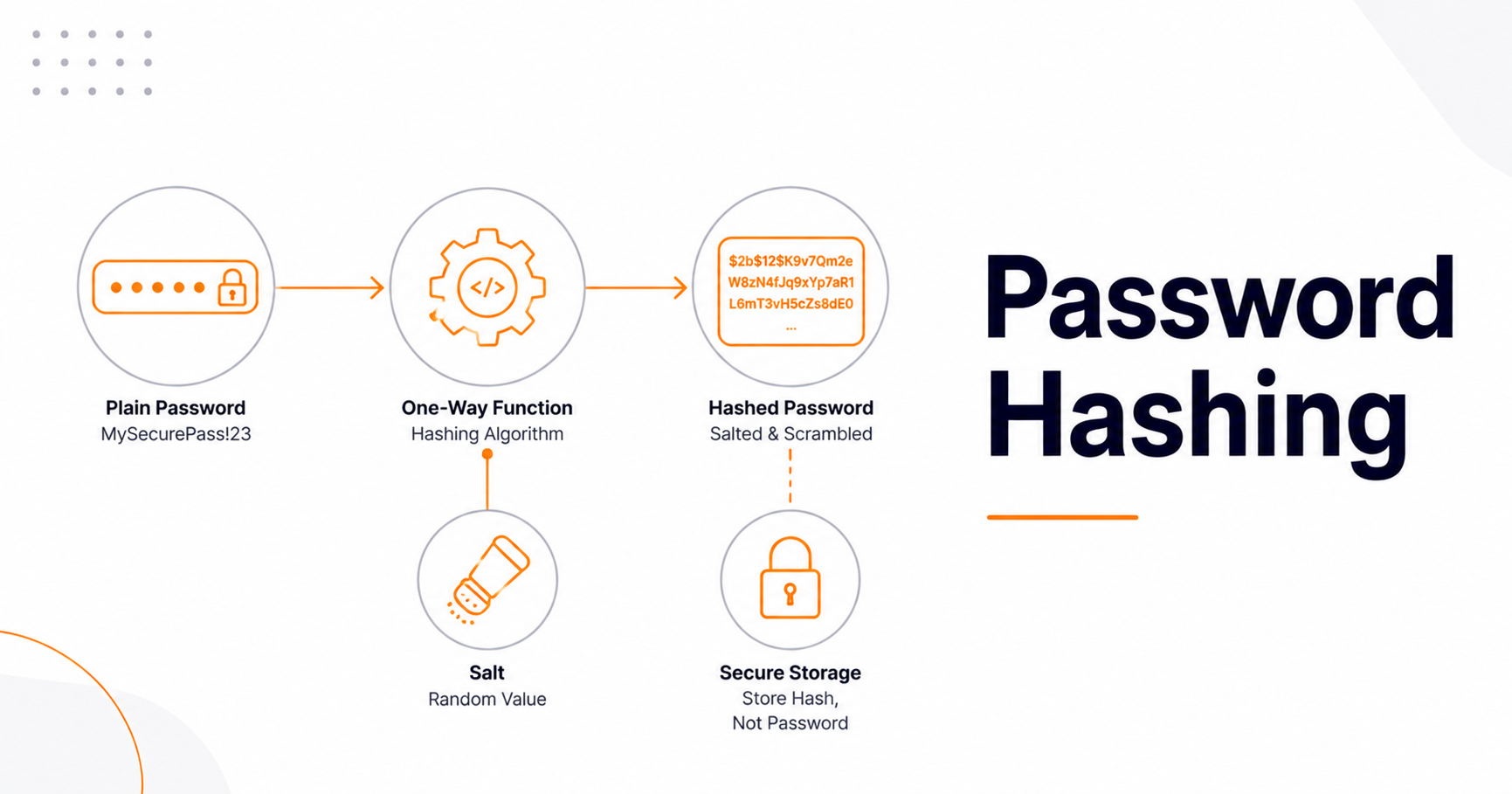
Password Hashing Explained: How Sites Store Your Password Safely
Password hashing runs your password through a one-way function so a site can verify you without ever storing it. How it works, why MD5 fails, how to pick a work factor, and what to use in 2026.